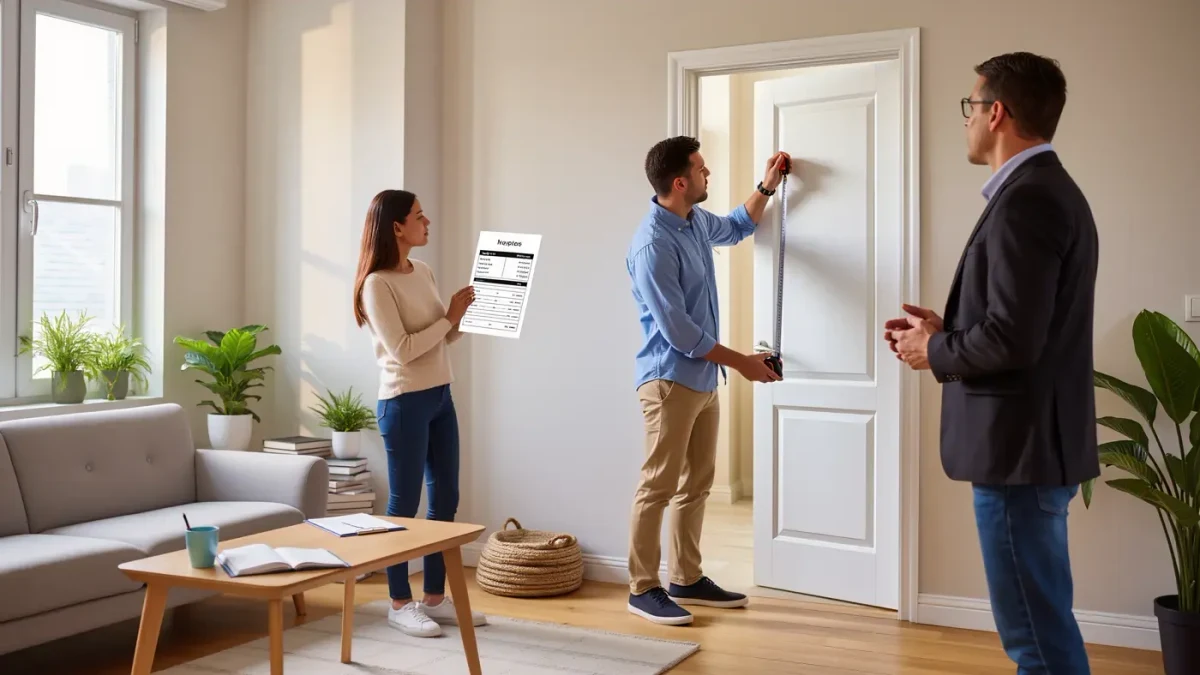
A cooling market — flat prices (the national median existing-home price up just fractions of a percent year over year through early 2026, per NAR data), rising inventory (months of supply climbing from the lock-in lows, listings up around 8 percent year over year), and longer days on market — returns leverage to buyers that the bidding-war years took away. The playbook below is about using that leverage deliberately: the 2021-era tactics (waiving inspections, escalation clauses, love letters) are now expensive anachronisms, while patience, preparation, and clean offers win without overreach.
(This article publishes information, not financial advice.)
Rule 1 — Slow down strategically
Cooling markets reward seeing five homes instead of one and sleeping on decisions — but strategically, not indefinitely. The inventory that grows is uneven: affordable, well-located, move-in-ready homes still sell briskly (the competition thinned, not vanished), while overpriced, dated, or oversized listings sit and negotiate. The skill is matching patience to the segment: for the fresh, correctly priced listing in your target neighborhood, move quickly; for the listing sitting 45 days with two price cuts, take your time and bid accordingly. Days-on-market and price-cut history, published on every portal, are the market's tell.
Rule 2 — Restore your contingencies
Inspection, appraisal, and financing contingencies exist for exactly this market — reinstate them all. The inspection returns to its real function: a pricing instrument. Findings justify repair credits or price adjustments backed by comparable sales; in 2026's market, sellers expecting negotiation often prefer a credit to a re-listing. The appraisal contingency, meanwhile, matters most in cooling markets precisely because flat prices can leave a contract above appraised value — the gap negotiation (seller reduces, buyer bridges, or both) is standard practice again.
Rule 3 — Negotiate the total package
Leverage compounds when you stack the small things: price (anchored to comparables, not list), closing-cost credits (worth more than an equivalent price cut for cash-constrained buyers, and sellers know it), rate buydowns funded by the seller (a 2-1 buydown costs the seller thousands once and saves you hundreds monthly through the early years), repairs, timing (a rent-back for a seller who needs it is often worth real money), and in-concession-heavy condo and apartment markets, the extras — parking, storage, upgrades. Decide your total-package value first, then trade pieces flexibly: sellers care about different lines than buyers do, which is where deals are made.
Related stories: January's home sales were the slowest in more than two years · Listings are piling up. What growing inventory actually means for buyers.
Rule 4 — Finance like it matters, because it does
In a flat-price, elevated-rate market, the mortgage structure moves monthly costs more than the purchase price does. Shop three lenders within a week and compare Loan Estimates page two; ask about points only with a break-even calculation (points pay when you'll hold the loan past the break-even year); and treat seller-funded buydowns as price reductions by another name. Also verify the boring stuff: underwritten pre-approval (not mere pre-qualification) makes your offer read like cash to a seller weighing three.
Rule 5 — Know what you cannot negotiate
Location, floor plan, light, and the commute were overpriced in the frenzy and underpriced now — in a cooling market, buyers can finally afford to prioritize them, which is the point of the whole exercise. Meanwhile, do not mistake a cooling market for a falling one: the flat-median, low-vacancy, supply-still-lean configuration of 2025–2026 supports prices; the leverage comes from time and choice, not from waiting for a crash that the fundamentals do not promise. Buyers who waited through 2023–2025 for a collapse paid the waiting in rent. The right posture: patient on price, prompt on the right house.
Rule 6 — Close the deal like a professional
The final discipline: when you find the right home, be the easiest buyer to close with — underwritten financing, realistic dates, minimal drama — because in a market with three offers, the certain one beats the highest one. Cooling-market leverage is real, but it is borrowed from the seller's impatience, not from indifference. Use it on price and package; spend none of it on your own credibility.
FAQ
Is 2026 a buyer's market?
Partially. Inventory and days-on-market rose while prices flattened, restoring real negotiation leverage — but months of supply remain below balanced-market levels, and well-priced homes in desirable segments still draw competition. It is a market that rewards prepared, patient buyers rather than those waiting for a crash the fundamentals do not promise.
For more context, read Listings are piling up. What growing inventory actually means for buyers.
For more context, read existing home sales february 2026.
For more context, read January's home sales were the slowest in more than two years.