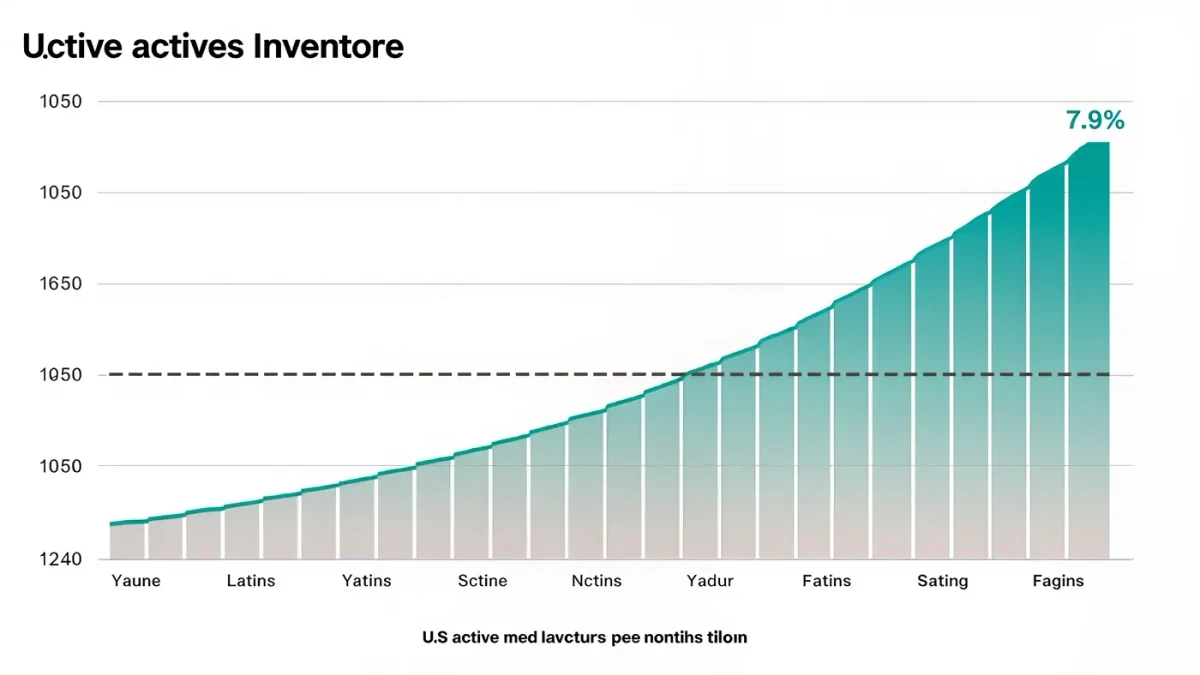
Active housing inventory kept climbing into 2026: Realtor.com's monthly data showed active listings up 7.9 percent year over year in February 2026, with a national median list price around $403,000, while NAR's sales-side measure registered 3.8 months of supply. The growth is modest against history — a balanced market runs closer to five to six months — but its direction has been one-way for over a year, and it is the single statistic that determines who holds leverage at the negotiating table this spring.
What more listings do — and do not — mean for the people actually shopping. (This article publishes information, not financial advice.)
Where is the inventory coming from?
Three streams, none dramatic alone. Gradual lock-in erosion: life events keep forcing sales, and each mortgage-rate dip since 2024 released a cohort of sellers; 2025–2026's steadier rates let that flow persist. Price-cut listings staying on market: in the flat-price environment that began in 2025, overpriced homes sit rather than sell — days-on-market lengthens and the pile of active listings grows without a single new seller deciding to move. And new construction: builders, holding incentives like rate buydowns through the period, added supply especially in the South, where apartment-and-build activity concentrated. The Census Bureau's new residential construction series through the period documented the South's outsized share of permits and starts.
What does more inventory change for buyers?
- Negotiating room on price: sellers with competition entertain offers below ask, and price-cut chains (already common through 2025) lengthen — the listing that cut twice is a listing that will listen.
- Inspection and repair leverage: the return of inspection contingencies as standard practice is inventory's doing; in bidding-war markets they were waived, in this market they are back and findings get fixed.
- Time: buyers can see five homes instead of one and sleep on the decision — the fastest-deciding era in recent memory is ending where inventory grew.
Related stories: Home sales bounced back in February as listings kept piling up · January's home sales were the slowest in more than two years.
What does it not change?
Availability of the good stuff. Inventory growth is uneven by segment: affordable, move-in-ready homes in strong school districts remain scarce and still draw competition, while the growth concentrates in dated listings, oversized premium homes, and condo product in towers with fee or litigation questions. A buyer reading the national number as "buyer's market everywhere" gets outbid in the segment they actually want. Read months of supply for your price band and zip code, not the national median — local figures swing the argument entirely.
How do you use it in an offer?
Three practical moves. Use days-on-market: an offer on day 45 of a listing's life is a different negotiation than day 3 — reference the price history, which portals publish. Ask for what matters and only that: with leverage, the strongest asks are price adjustments backed by comparable sales, closing-cost credits, and repair credits post-inspection. And keep your financing clean: pre-underwritten approval reads as cash-adjacent to a seller weighing three offers. The inventory edge belongs to prepared buyers, not just patient ones — the market is fairer, not slow.
Could inventory keep growing?
The drivers point the same direction through 2026: lock-in loosens with every life event and rate dip; builder incentives keep construction flowing into the rental-and-sale mix; and flat prices discourage the investor bidding that thinned supply in prior years. The counterweights: rates staying high limits how many owners list, and months of supply remains below balanced on most measures. The reasonable read is continued gradual normalization — the 2021 fever is not returning, and neither is a crash; what is returning is a market where the rules your parents knew — inspections, negotiations, second visits — apply again.
For more context, read A buyer's playbook for a cooling market.
For more context, read existing home sales february 2026.
For more context, read January's home sales were the slowest in more than two years.